I am obsessed with the ancient Celts, the peoples of Ireland, Scotland, and England, who lived in the Iron Age, which spans about 800 BC to 43 AD (when the Romans invaded).
I based The Dalriada Trilogy, about the Roman invasions of Scotland, on real Roman writings (Tacitus’s Agricola.) I set it at the real fort of Dunadd in Scotland because this was the seat of the Irish Dalriadan kingdom. A boar carved into the rock at the summit gave me the boar as Eremon’s totem. Hints that the ancient Scots may have passed royal blood through the female line gave me my plot: Rhiann, a princess, must marry the next leader of her people to make him king. He’s a handsome Irish exile, so not so bad!
I also set scenes in sacred places such as the Callanish stone circle on the Isle of Lewis, and real sites of rock art near Dunadd.
The plots of The Swan Maiden and The Raven Queen are based on Irish Celtic myths. However, I used Greek and Roman history, archaeology and real sites to ground the characters in the Irish Iron Age.
I researched LOADS. If you want to know more about the facts behind the fiction – history, mythology, landscapes and Celtic spirituality, sign up to my mailing list and follow me on Instagram, Facebook and TikTok.
History
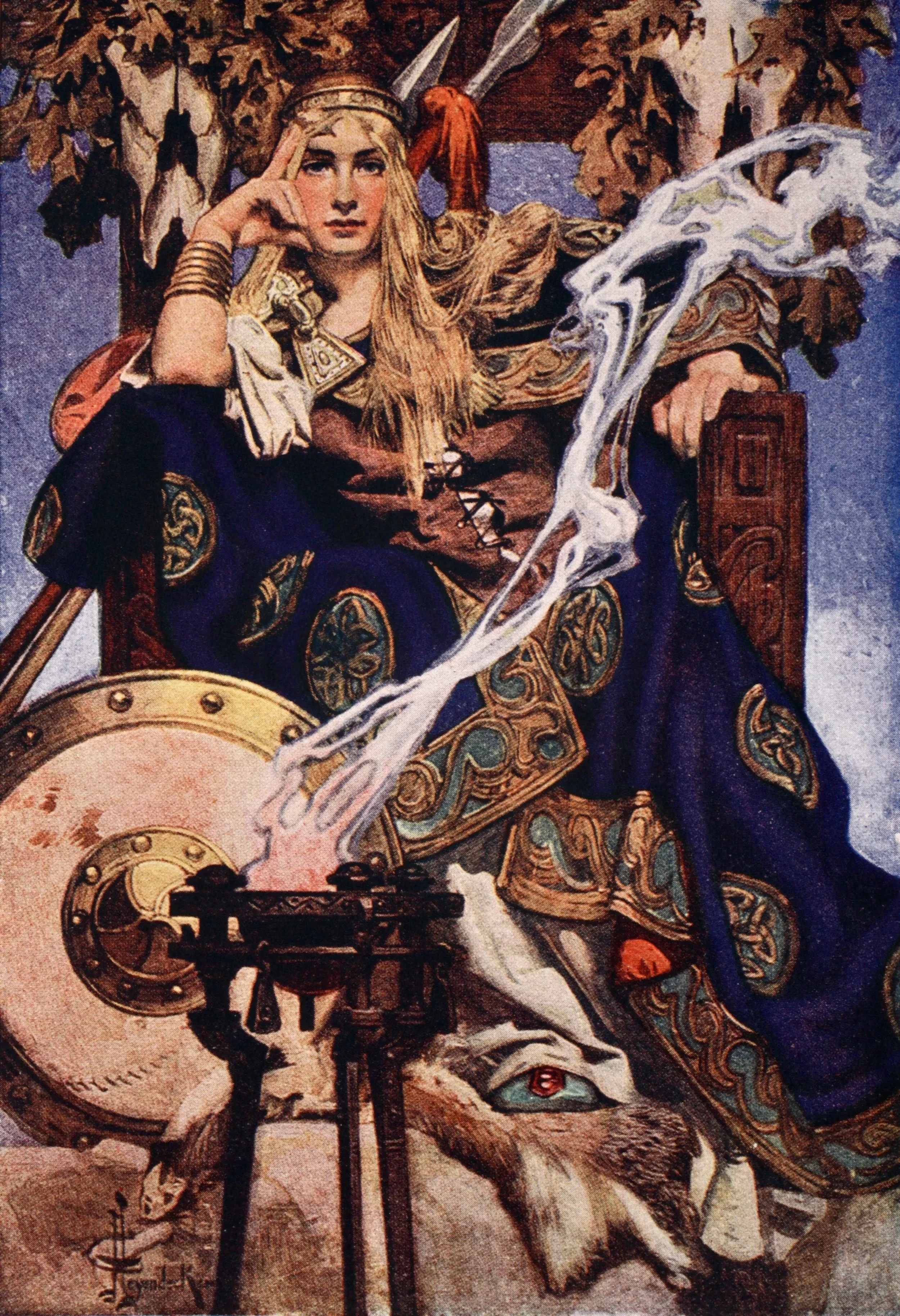
The Scots of the 1st CenturyAD spoke something more like Welsh, so I wove in Welsh, British and Irish myths and gods. The goddess Rhiannon rode a white mare and is a ‘land goddess’: marriage to her made men kings. I named my heroine Rhiann and she rides a white mare. To lead her tribe the Irish exile Eremon must marry Rhiann, as her blood gifts him kingship.
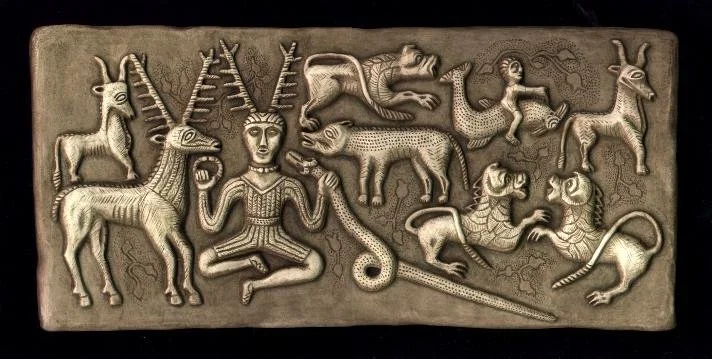
The Dawn Stag refers to the horned god Cernunnos, who is on the Gundestrup cauldron above. In the rite that makes him war leader, Eremon dons a stag crown and takes part in a (sexy) rite in the dark woods.
Myths shape the books and provide the magic, the seers and goddesses, the rituals for spring and winter. The Sisterhood of priestesses is important, and Celtic myths are all about the women: female druids, sorceresses, and queens birth legends. Goddesses are more powerful than gods, embodying ‘the land’ and fertility but also ruling over war, death and kingship. There’s no Lord Zeus, but a host of powerful, terrifying, compassionate, brutal, and intoxicating goddesses.
The Swan Maiden and The Raven Queen are based on the most famous Irish myths, the Ulster Cycle. These myths are so tragic and absorbing I didn’t need ‘more plot.’ In the myth of Deirdre of the Sorrows, the beautiful Deirdre rejects marriage to an old king and seizes her fate, running off with her love, the warrior Naisi. Like Troy, this embroils Ireland in ruinous war, however it is male ego, greed and the old craving the young that bring King Conor down, not Deirdre.
In the Táin Bó Cúailnge, the Cattle Raid of Cooley, Maeve is a powerful, bloodthirsty and sexual queen. I loved imagining what she might have done to offend the medieval monks who wrote about her! I also adored bringing the Irish hero Cú Chulainn to life. Like Achilles, he would achieve everlasting glory but die young, and writing the battle where he is pitted against his soulmate Fer Díad was a great thrill.
Myth
Landscape
The Celts were embedded in nature, their lifestyles and beliefs woven with the natural world. They lived in thatched huts, farming and hunting. Subject to its storms and droughts, wild animals and healing plants, the Land gave the Celts their gods and goddesses, sacred animals, myths and legends.
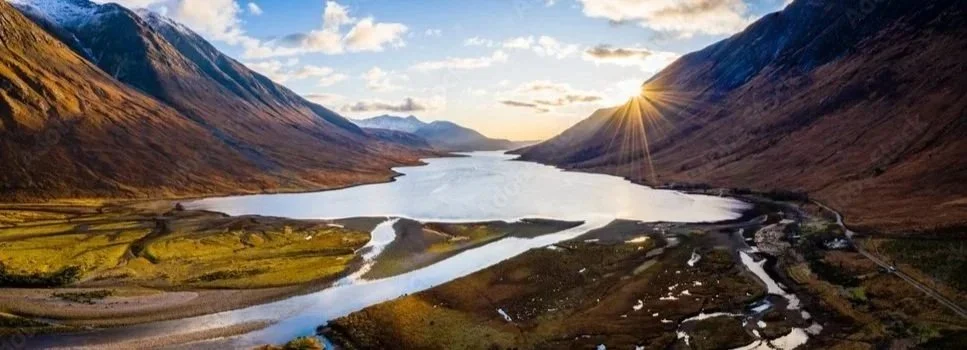
I am captivated by Scottish and Irish landscapes, and the mountains and lochs, seas and forests are the heart and soul that shapes my books, the magic that inhabits every page. I used real sites all over Scotland and Ireland, almost all of which I went to!
The Celts believed that in certain places the veils between thisworld and the Otherworld grew thin, such as springs, caves, and lochs: mystical, inbetween places where you can still believe my characters are walking.
I lived in Oban for 12 years, near Dunadd and the Kilmartin valley, the setting for The Dalriada Trilogy; and Loch Etive, where according to myth Deirdre and Naisi lived and eventually turned into the white swans you still see there today…
Spirituality
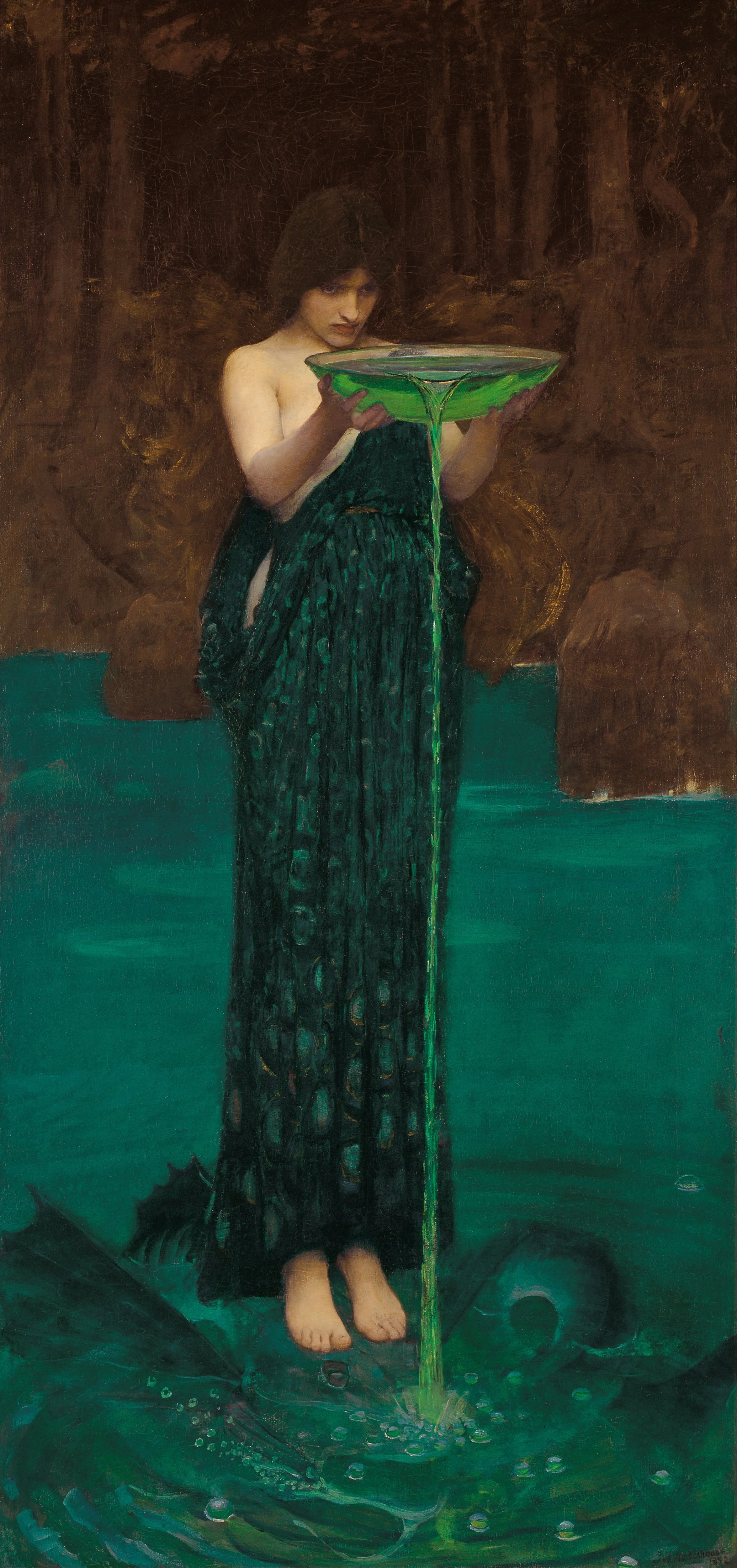
I’ve been obsessed since childhood with druids and sacred rites, Celtic goddesses and magic animals. Celtic spirituality was rooted in nature, their goddesses embodiments of lakes, rivers, hills and the Land, their gods inhabiting talking animals. They believed in reincarnation, and their concept of the Otherworld was unlike that of the Romans or Greeks.
The Otherworld was a paradise outside time, another dimension that lay alongside this one. Beings could pass through ‘the veils’, which were thinner during important rites like Samhain, and in special places like lakes.
Celtic gods and nature spirits were involved in daily life, for hunting trips and harvests, births and deaths. Druids combined the roles of priest, healer, and scientist, and we have good evidence for female druids!
My characters are often priestesses, or in Deirdre’s case, a natural Otherworldly being. In The Raven Queen, Maeve was not at all spiritual, but the hero, Ruan, is a druid.
The Celts also believed in the sidhe, or fae or fairies. I played with this idea in The Swan Maiden and The Raven Queen, where I venture into the quantum physics of fairies!