
The Dalriada Trilogy
A historical fantasy epic of love, battles, and druid seers, as Celt fights Roman in ancient Scotland
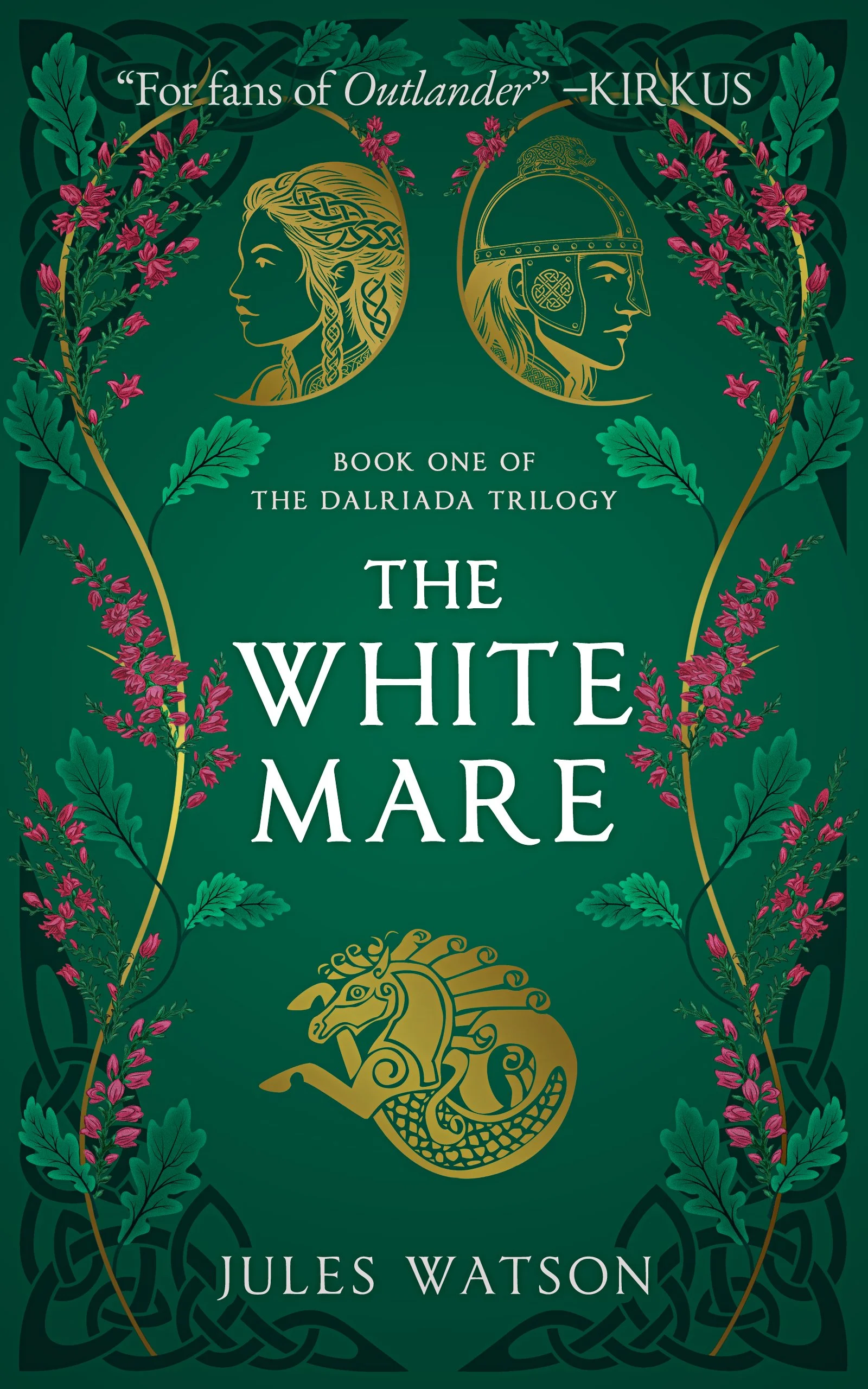
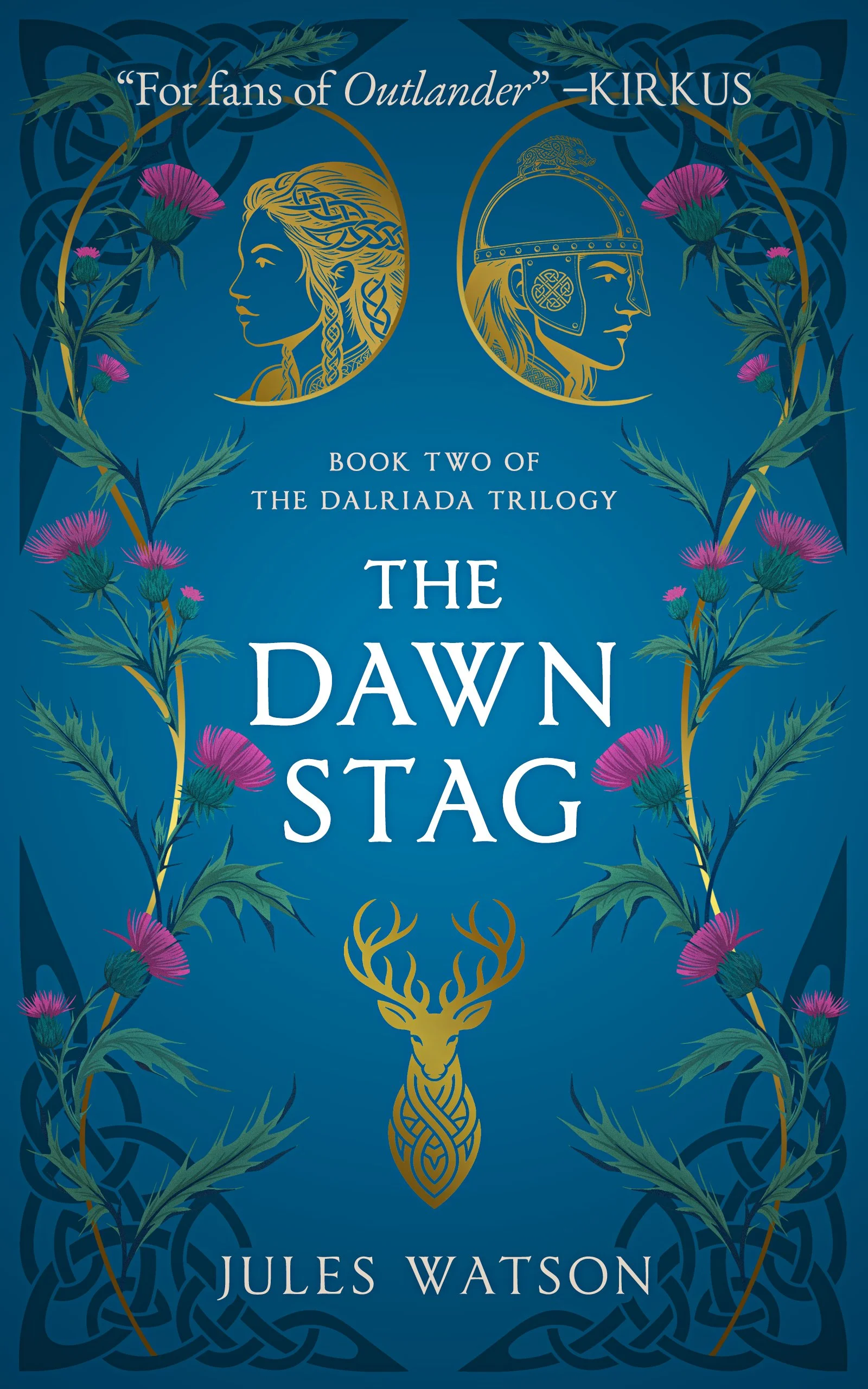
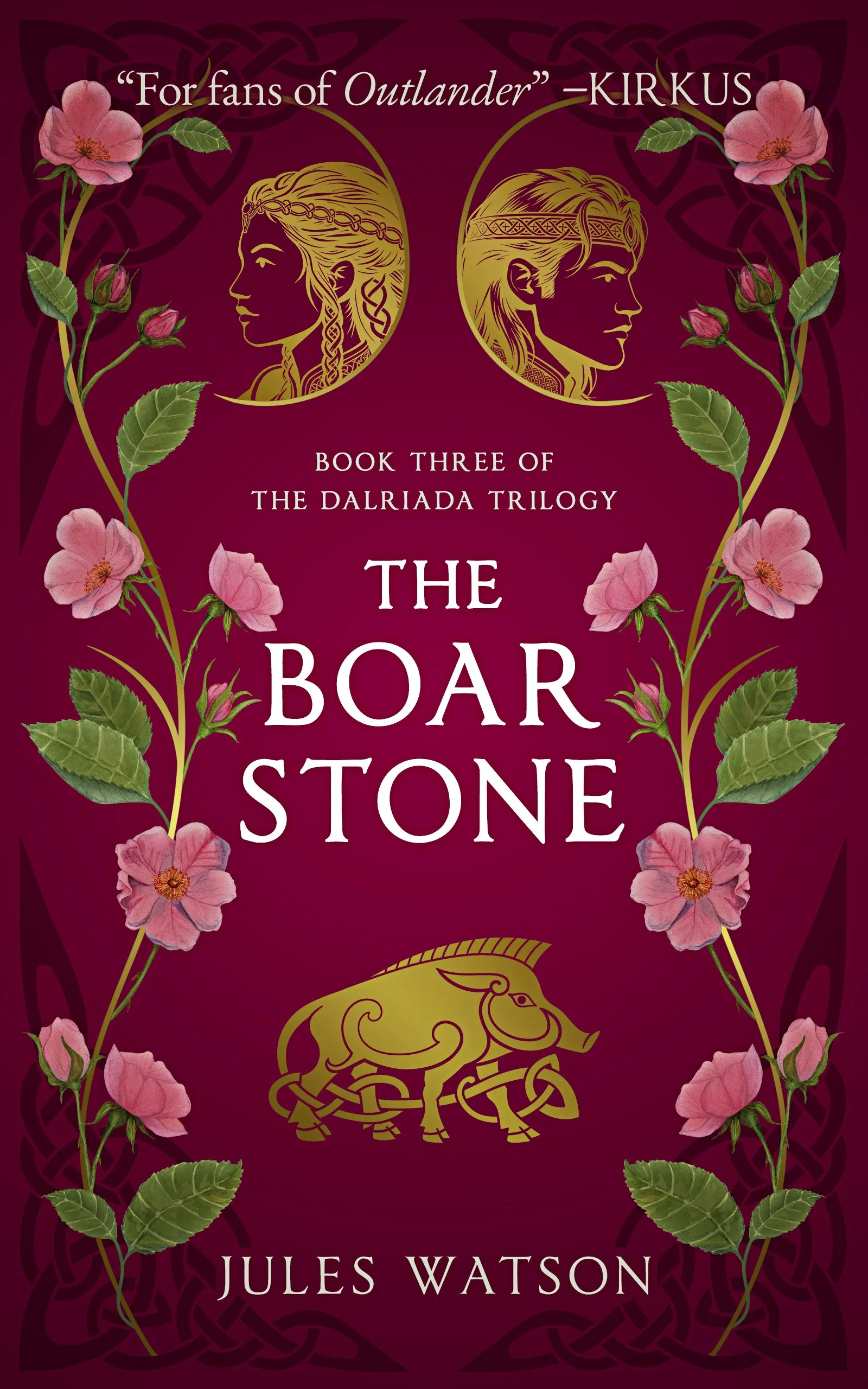
This epic trilogy –The White Mare, The Dawn Stag and The Boar Stone – spans the first to the 5th centuries AD, vividly recreating Iron Age Scotland and its invasion by Rome’s legions, a land of romance, betrayal, visions, dreams, bloodshed and brutal death. It was originally published worldwide by Orion.
I was always obsessed by the ancient Celts, and after studying archaeology, devoured Marion Zimmer Bradley’s Mists of Avalon and Diana Gabaldon’s Outlander series. The combination of romance, ancient history, sex, battles, sweeping Scottish landscapes, priestesses, myths, kings and ancient prophecies ticked my every box – so I decided to write my own!
Few people know the Romans invaded Scotland, so that gave me my bad guys – just like Braveheart, but with Romans! And Tacitus wrote a biography of his father-in-law, the Roman commander Agricola, who led the invasions, so that gave me my ‘big bad’ (in my mind he looks like Jason Isaacs of Lucius Malfoy fame.) That, plus the archaeology of Celtic sites and evidence of the Dalriada kingdom in Argyll and its links to ancient Ireland fleshed out the story.
I then added my own heart’s loves: goddess myths and druid lore; the mystical landscapes of Scotland; a heroine who is no damsel in distress but a priestess with agency; a hardened warrior with a tender heart; a swoony romance – though hard-won; and some heart-stopping battles.
“With nods to Diana Gabaldon’s Outlander series, an ancient Scotland tightly laced with romantic tension, treachery, and cliffhangers aplenty… Mightily appealing.”
Starred review: Kirkus Reviews
“A stunning debut novel.”
Juliet Marillier, The Sevenwaters Series
"Epic historical fantasy in the vein of Morgan Llywelyn, Marion Zimmer Bradley, or Donna Gillespie, filled with memorable characters, tense action, romance, intrigue, and a little bit of magic all woven into a richly layered plot."
Historical Novels Review

The Swan Maiden and The Raven Queen
Reclaiming the powerful women of Irish myth
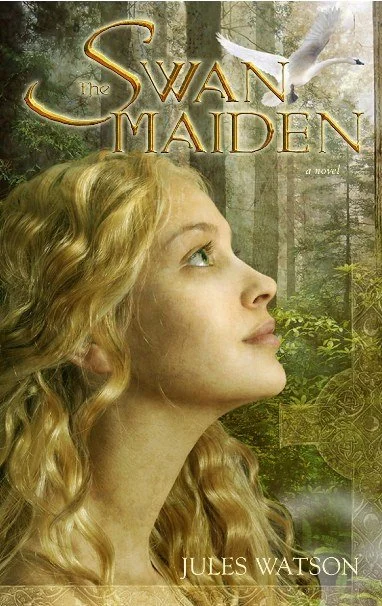
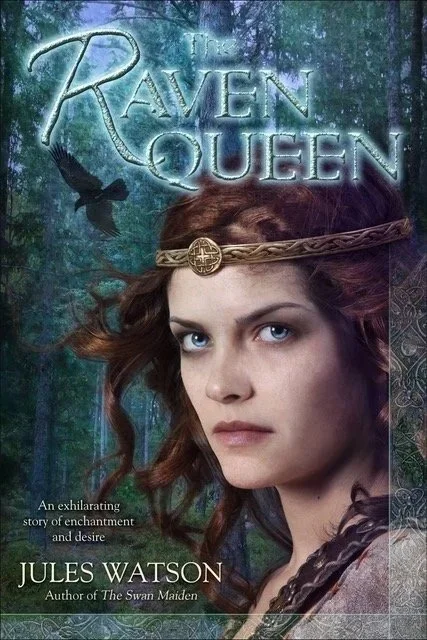
These novels, standalone but best read as a set, starting with The Swan Maiden, are historical fantasy retellings of famous Irish myths Deirdre of the Sorrows – the Irish Helen of Troy – and Queen Maeve, Cú Chulainn and the famous Cattle Raid of Cooley, from the Ulster Cycle of tales. They are published by Bantam.
The Deirdre myth I retell in The Swan Maiden is about an old king lusting after a young woman, trapping her. She takes her life into her own hands, running away with a young hero. Their passionate love frees her, but brings disaster to Ireland.
Deirdre was maligned by Irish monks, who first wrote down the oral tales, as the uncontrollably sexy hussy who brought ruin to the brave warriors of Ireland.
This ancient tale inspired the later stories of Tristan and Isolde, and Lancelot, Arthur and Guinevere. The theme of true love's defiance in the face of society drives Romeo and Juliet, and of course, the fate of Helen of Troy.
Originally a Celtic goddess, in the Cattle Raid of Cooley Maeve is portrayed as ambitious, manipulative, bloodthirsty and, you guessed it, uncontrollably sexy. Her name means ‘she who intoxicates’, which I do kind of love.
Maeve is one of the most intriguing mythical women in ancient Ireland, branded by history a voracious maneater and ruthless war-monger. Imagining a different Maeve, in The Raven Queen we find a free spirit who will be no man's plaything, but the ruler of her own destiny.
Resurrecting these fascinating women from the shadows of myth and bringing them into the Celtic Iron Age, a beguiling time of tribes and cattle raids and sun rituals, druids and seers and fireside tales, timber forts and golden torcs and stormy seas, was a privilege and a joy.
They are tragic tales, but I wanted them above all to be about the heart and soul, the choice to love in the face of aggression, and how a girl cursed with beauty, whom men try to control , and a queen used as a pawn could remake their lives in their own way.
“A perfect 10… The Celtic legend of Deirdre of the Sorrows is given a very human, yet enchanting retelling… Both glorious and heartbreaking, Watson uses her beautiful prose and Celtic knowledge to weave a stunning novel that is both uplifting and magical. For a wonderful love story, and some unforgettable characters, we highly recommend The Swan Maiden.”
Romance Reviews Today
“Other writers have tackled Ireland’s Iron Age legends and their compelling magic, a magic thoroughly mixed with the earthy business of cattle raids and ale. But no one has done it better than Jules Watson in The Raven Queen.”
Historical Novel Society